Exchange Rate Movements and Their Effects on Deposit Trends in International Online Wagering Systems
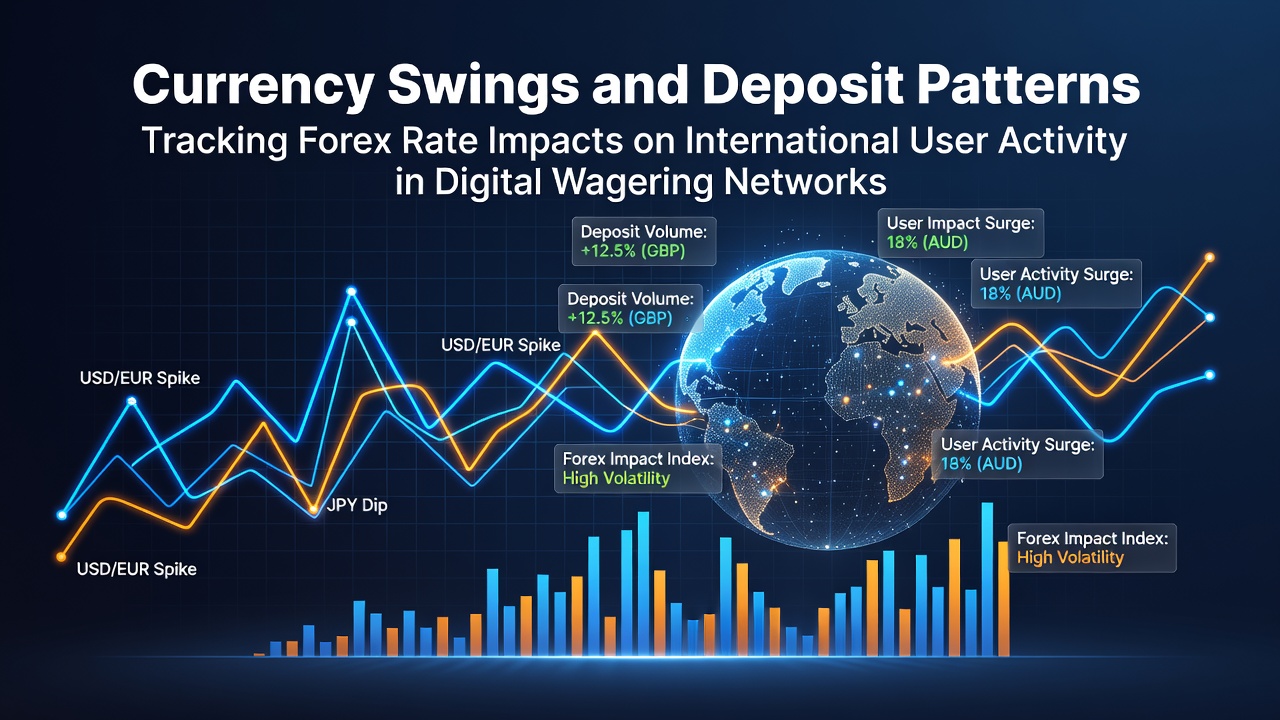
Exchange rate movements have long shaped financial behaviors across borders, and digital wagering networks provide a clear window into how those shifts play out in real time. Data from October 2026 shows measurable changes in deposit volumes as major currency pairs like EUR/USD and GBP/JPY moved sharply, with platforms recording shifts in user activity from regions experiencing both appreciation and depreciation against the USD. Observers note that these patterns emerge because players often adjust the timing and size of their deposits based on how much local currency converts into platform balances.
Forex Volatility Patterns Observed in 2026
Throughout the year leading into October 2026, several currency pairs displayed notable swings that coincided with altered deposit frequencies on international wagering sites. Researchers tracking these movements found that when the Japanese yen weakened significantly against the dollar, users from Japan increased average deposit amounts in USD-denominated accounts while reducing the number of smaller, repeated transactions. Similar adjustments appeared among European users when the euro fluctuated against the British pound, prompting operators to log changes in cross-border payment volumes through various processors.
Platforms operating across multiple jurisdictions collected aggregated figures that revealed these correlations without identifying individual accounts. Those monitoring the data pointed out that players in emerging markets often responded faster to rate changes because their local currencies experienced higher volatility overall. This created distinct spikes in activity during periods when favorable rates briefly improved purchasing power for deposits.
Regional Deposit Adjustments and Platform Responses
Analysts examining October 2026 records observed that users in Australia and Canada showed steadier deposit patterns even amid global forex turbulence, partly because their currencies maintained tighter ranges against the USD. In contrast, activity from Latin American and Southeast Asian regions displayed more pronounced swings that aligned with local currency movements. Operators responded by offering temporary currency conversion options and real-time rate displays to help users time their transactions more effectively.
Payment providers integrated into these networks reported corresponding changes in transaction sizes, with some seeing increased use of stablecoin alternatives during high-volatility windows. Data indicates that these alternatives helped stabilize deposit values for users concerned about further rate erosion between the moment of transfer and platform credit.
Payment Method Shifts Driven by Rate Changes
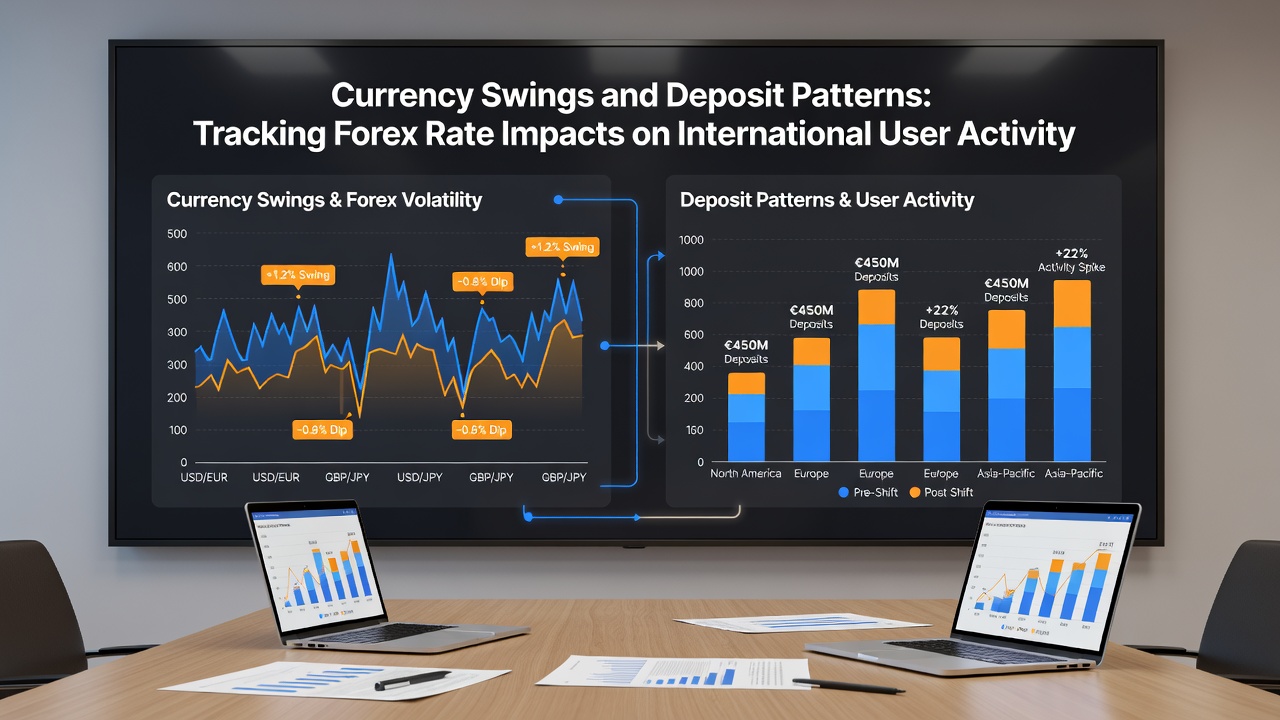
When exchange rates moved unfavorably, many international users shifted toward payment methods that minimized conversion losses. Studies tracking these behaviors found higher adoption of multi-currency wallets and prepaid options that locked in rates at the point of funding. Operators noted that these preferences varied by region, with users in high-volatility economies favoring methods that allowed smaller, more frequent top-ups to reduce exposure.
According to reports from the Financial Consumer Agency of Canada, consumers in general have grown more attentive to conversion fees during periods of instability, a trend that extended into wagering deposit patterns. Similar observations appeared in data shared by the Australian Institute of Criminology, which examined how financial decision-making adapts when currency values fluctuate rapidly.
Longer-Term Implications for Network Operations
Over multiple quarters, the accumulated effects of these forex-driven adjustments influenced how platforms structured their international payment interfaces. Those managing large user bases implemented dynamic rate alerts and conversion calculators that updated in real time, helping maintain consistent activity levels even when underlying currencies shifted. Aggregated statistics from October 2026 suggest that networks offering such tools experienced fewer abrupt drops in cross-border deposits compared with those that maintained static interfaces.
Industry reports further indicate that the timing of promotional offers began to factor in anticipated currency movements, allowing operators to align bonus structures with periods when users might be more inclined to deposit. This approach helped smooth out activity fluctuations that would otherwise follow major exchange rate announcements from central banks.
Conclusion
Currency swings continue to influence deposit patterns across digital wagering networks as users respond to real-time conversion values and associated costs. The data collected through October 2026 demonstrates clear regional differences in how these adjustments occur, with payment method preferences and transaction timing serving as primary mechanisms for managing rate exposure. Ongoing monitoring of these interactions provides operators with concrete information for refining international payment features and maintaining stable user engagement across fluctuating markets.