Mobile Device Data Patterns Highlight Peak Times for Online Gambling Engagement
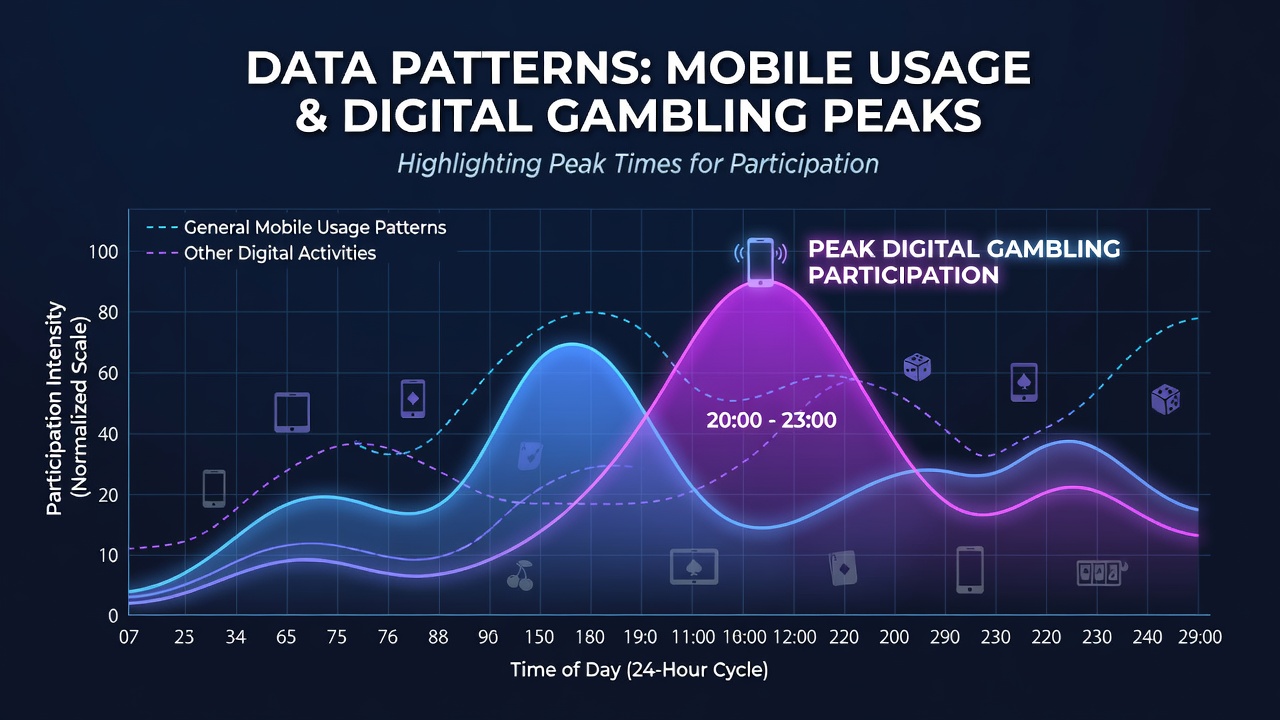
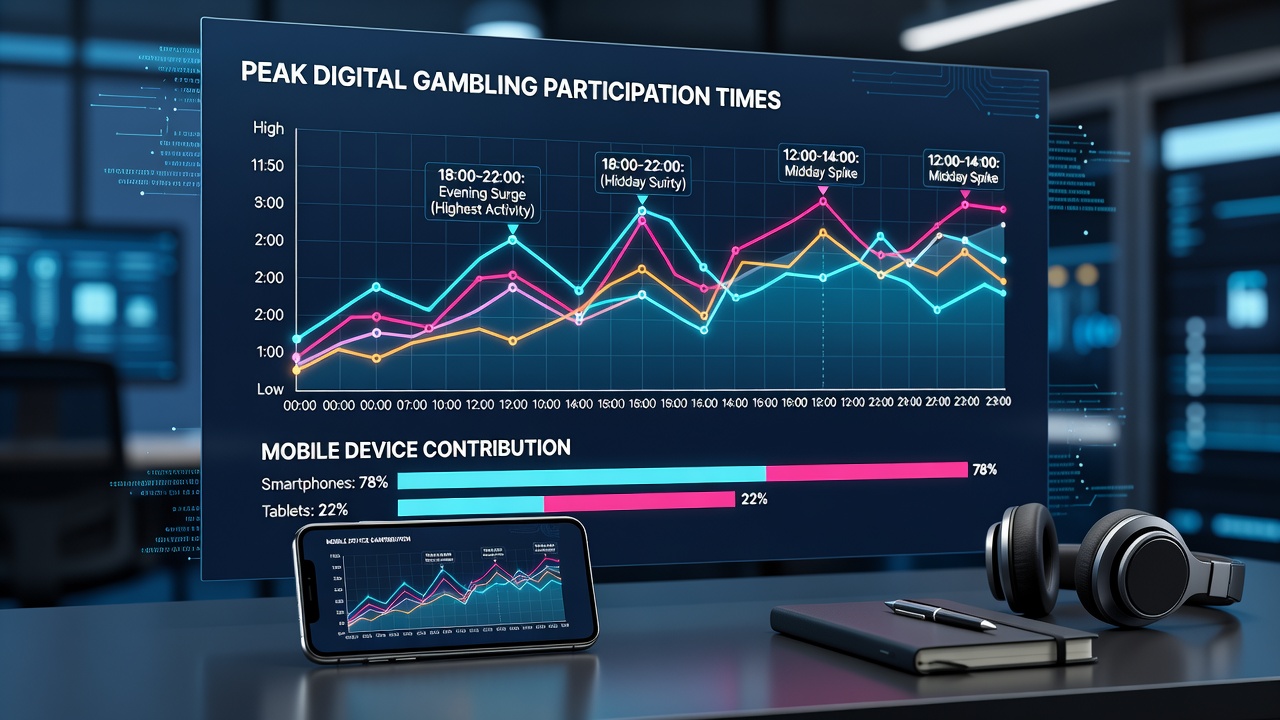
Analysts examining mobile device telemetry have mapped clear rhythms in how users interact with digital gambling platforms, and these patterns point to distinct windows when participation climbs. Data collected through September 2026 shows elevated activity between 7 pm and 11 pm on weekdays across multiple markets, with secondary spikes appearing during lunch breaks and late-night hours on weekends. Researchers tracking app sessions note that session starts often cluster shortly after typical work hours end, while duration tends to extend on Friday and Saturday evenings when users report more free time.
Hourly Trends Across Regions
Regional differences emerge when the same datasets are broken down by time zone and local routines. In North American markets, activity builds steadily from 6 pm onward and peaks near 9 pm, whereas European patterns shift earlier by roughly one hour because of dinner schedules and earlier sunset times in winter months. Australian data, drawn from state-level reports, indicates a pronounced late-evening surge between 8 pm and midnight, coinciding with the end of prime-time television programming. Observers tracking these variations point out that mobile notifications sent during these windows generate higher open rates than those dispatched at other times.
Weekends introduce additional layers. Saturday afternoons show moderate upticks around sporting events, while Sunday evenings produce another wave as users prepare for the workweek ahead. Heatmap visualizations of touch interactions reveal that users often switch between betting apps and social media during these periods, creating short but repeated engagement cycles rather than single long sessions.
Factors Influencing Timing
Weather data correlated with deposit logs suggests minor but measurable effects. Rainy evenings in temperate climates correspond with slightly higher session counts, although the increase remains smaller than the baseline evening surge. Economic indicators released by central banks also align with participation rhythms; paydays frequently trigger brief spikes in the hours immediately following direct deposits, a pattern visible in both North American and European datasets.
Device-level metrics add further context. Battery levels and network type influence session length, with users on Wi-Fi connections tending to remain active longer than those on cellular data. Push-notification response rates climb when messages reference time-sensitive events such as live sports or limited promotions, reinforcing the importance of aligning outreach with established peak windows.
Demographic and Platform Variations
Age cohorts display distinct preferences within the broader timeline. Younger adults show stronger late-night activity after 11 pm, while older groups concentrate participation between 7 pm and 9 pm. Platform choice also matters: browser-based sites experience earlier peaks than dedicated apps, possibly because users access them on tablets during evening television viewing rather than on phones during commutes.
Studies conducted by the Australian Gambling Research Centre and cross-referenced with North American operator logs confirm that these hourly distributions hold steady across multiple quarters, suggesting structural rather than seasonal drivers. The same reports note that promotional timing plays a measurable role, with bonus offers delivered during identified peaks generating higher conversion than identical offers sent at off-peak hours.
Implications for Data-Driven Scheduling
Operators reviewing these patterns have adjusted server capacity and customer-support staffing to match the documented rhythms. Real-time analytics dashboards now flag when traffic deviates from expected curves, allowing rapid response to anomalies. Academic researchers examining the same datasets emphasize that understanding these temporal structures helps separate routine usage from outlier behavior that may warrant further attention.
Continued collection of anonymized mobile telemetry through late 2026 is expected to refine these models further, particularly as 5G adoption alters connection speeds and session continuity. The current evidence already supplies a consistent picture of when digital gambling participation rises and falls on mobile devices across different regions and demographics.
Conclusion
The compiled mobile usage records demonstrate repeatable hourly and weekly structures in digital gambling participation. Evening windows dominate across continents, modulated by local routines, device conditions, and external events. These factual patterns, drawn from operator logs and independent studies, provide a stable foundation for scheduling decisions and resource allocation without relying on anecdotal assumptions.